The Home-Built Era
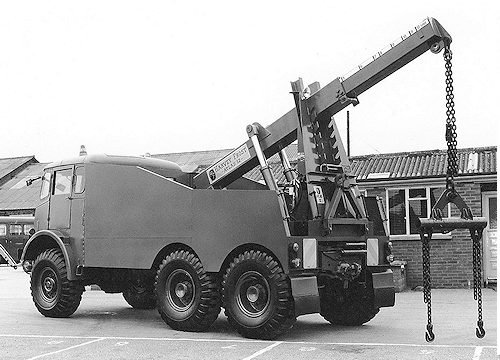
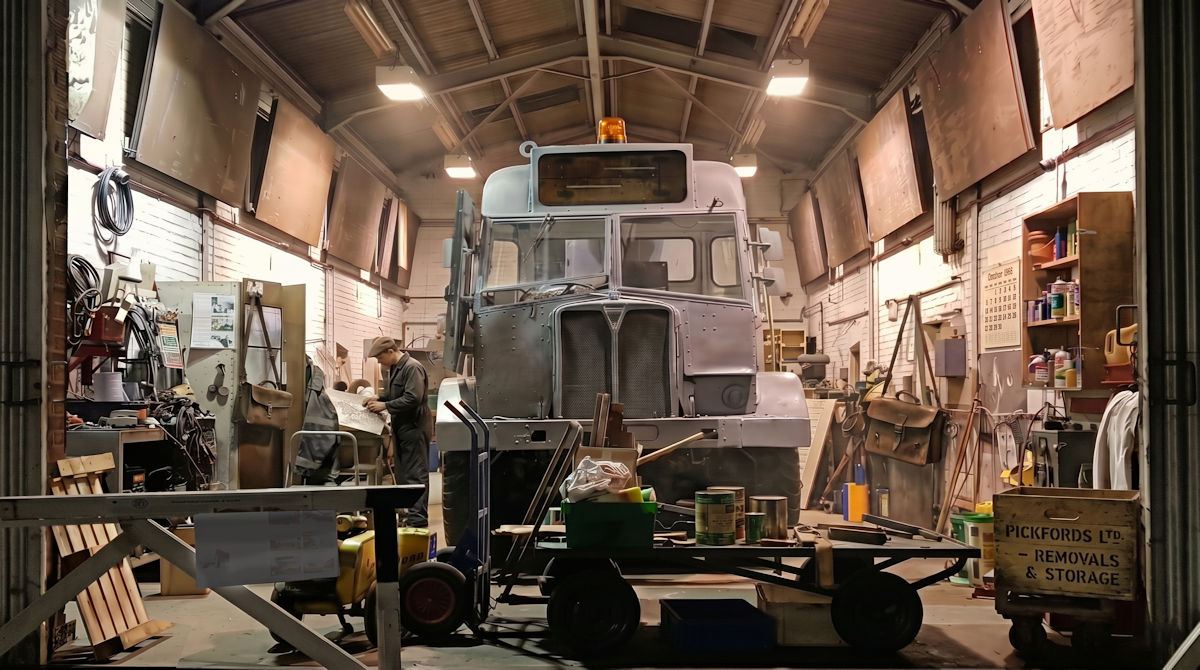
Following both World Wars, large numbers of military vehicles became available through government surplus sales. Some were purchased by garages and recovery operators, particularly heavier vehicles originally designed for military recovery duties. The logic was simple: if a vehicle could recover a tank, it was unlikely to struggle with a commercial vehicle.
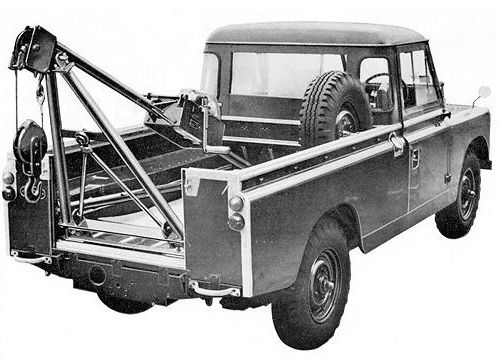
Most recovery equipment, however, was not bought ready-made. It was built by the operators themselves. Many early recovery vehicles consisted of little more than a simple jib, a block and tackle, and whatever ingenuity the owner could bring to the task.
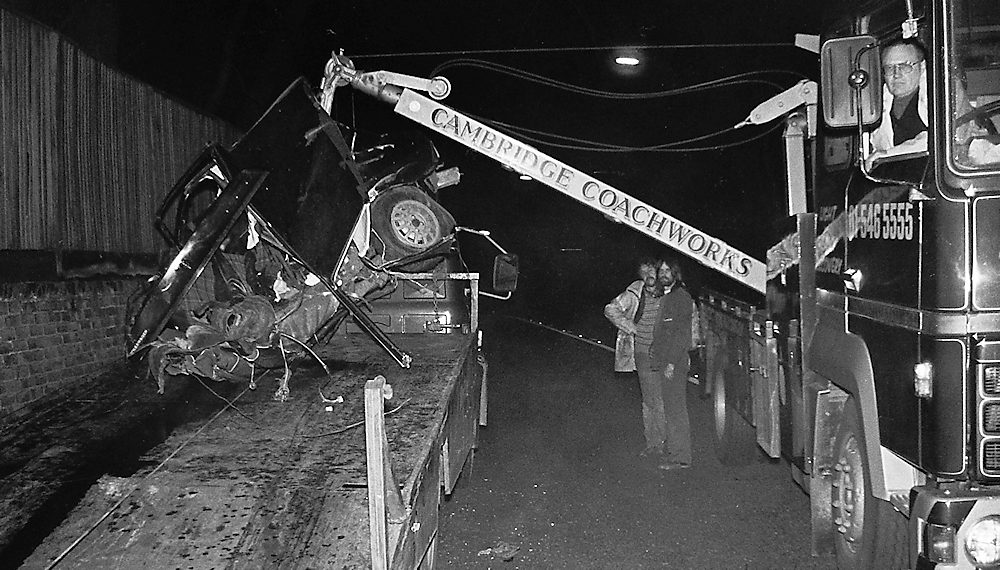
Some operators became remarkably skilled fabricators, constructing coachbuilt bodies, purpose-made lockers and storage systems for tow poles, chains and equipment. Maintenance was usually carried out by the driver between call-outs, and many considered themselves fortunate if the workshop foreman allowed them a small corner of the garage in which to work.
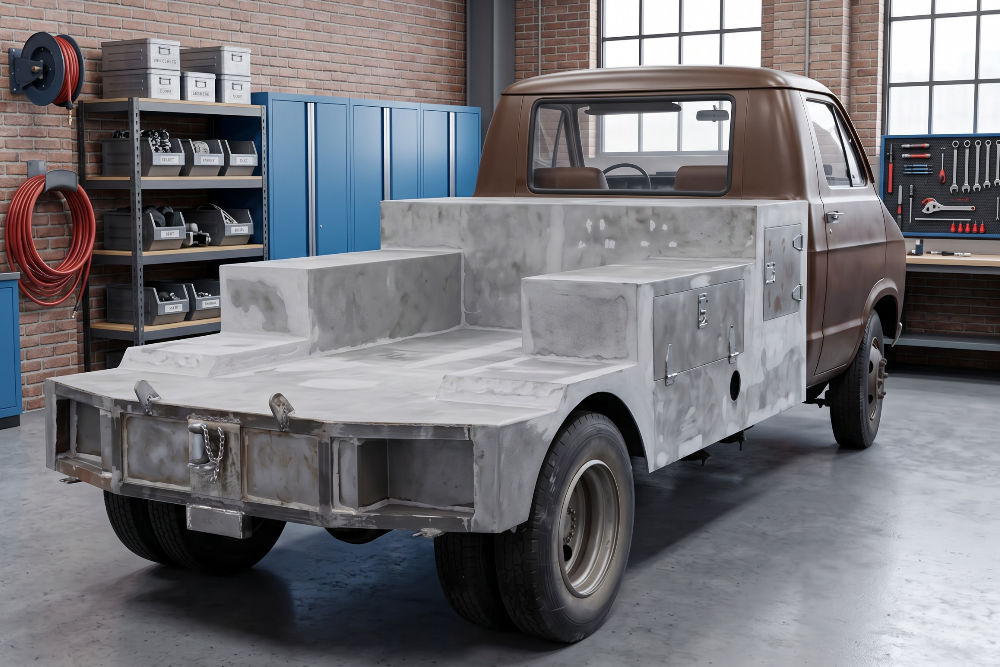
The photographs below show a typical example. A second-hand Dodge pickup had its original rear body removed before a new recovery body was fabricated and fitted. A crane was then installed, the wiring completed and the vehicle prepared for painting.
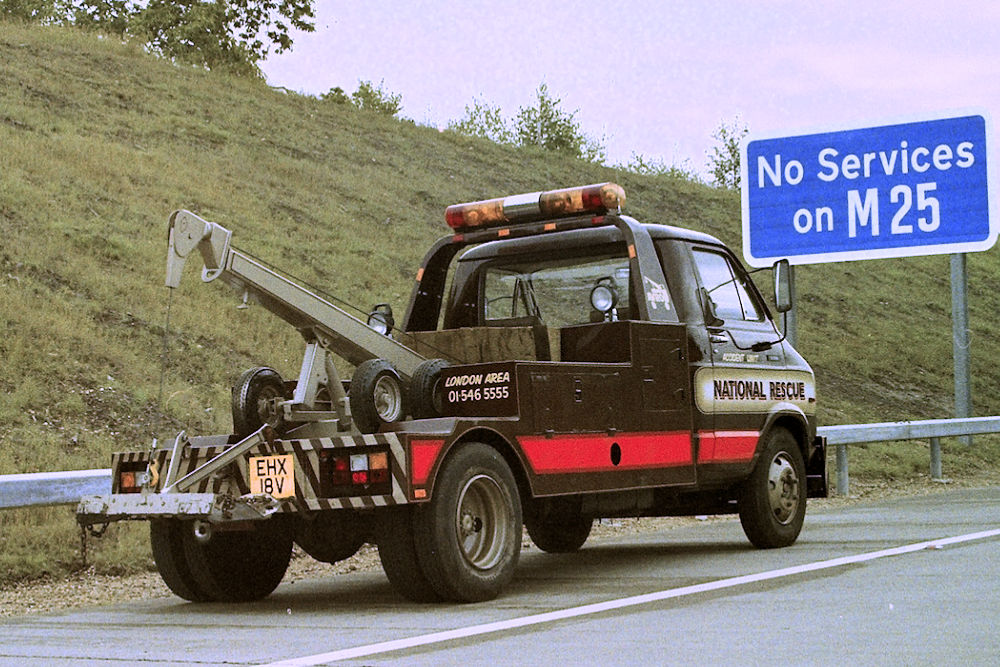
The second image shows the finished vehicle operating on the M25 only hours before that section of motorway was opened. Such projects were not unusual. At the time, garages still routinely fitted exhaust systems, replaced windscreens and even relined brake shoes in-house. Building and improving recovery vehicles was simply another extension of those same engineering skills.
Operators took great pride in their creations. Successful ideas were quickly copied, modified and improved by others within the industry. Engines were often upgraded, and one popular 1970s modification involved replacing the Ford Transit V4 petrol engine with the larger V6. By fitting a diesel Transit front panel and moving the radiator forward, operators discovered there was just enough room to install the more powerful engine.